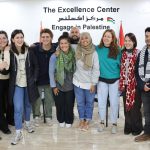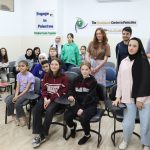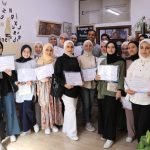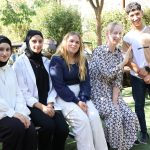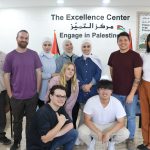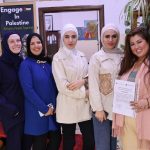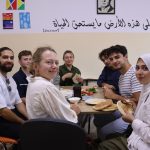
Arabic Programs in Palestine 2027/2028: Learning Arabic in the place where it is spoken every day is one of the fastest ways to make real progress. The Excellence Center, through Engage in Palestine, is now welcoming students for its Arabic programs in Palestine for 2027 and 2028. Courses take place in Hebron, in the West Bank, and are also available online for learners who want to start from home before traveling or who cannot travel at all.
Students can choose between Levantine Arabic (Shami), Palestinian Colloquial Arabic and Modern Standard Arabic (MSA). Programs range from relaxed weekly schedules to super-intensive immersion, and every course is taught by experienced Palestinian teachers who know how to guide learners from their very first words to advanced conversation. Lessons focus on practical communication, so students can use what they learn as soon as they step outside the classroom.
All programs last from 1 to 13 weeks and run in every season of the year: spring, summer, fall and winter. Start and end dates are flexible, so you can fit your studies around university breaks, work commitments or travel plans. Below is a full overview of the Arabic programs for 2027/2028, the options available in each, and what daily life looks like for students in Hebron.
Table of Contents
Why Study Arabic in Palestine?
Studying in Hebron means your learning does not stop when class ends. You hear Arabic in the market, at the bakery, in taxis and in conversations with neighbors, and every one of those moments becomes a chance to practice. Learners who study in an Arabic-speaking environment usually gain confidence in speaking much faster than those who learn only in a classroom abroad, because they are surrounded by the language from morning to night.
Palestine also offers a direct connection to the culture behind the language. Students learn expressions, humor and customs that rarely appear in textbooks, and they can join field visits, cultural activities and community events alongside their lessons. Local people are usually delighted when visitors try to speak Arabic, which makes practice feel natural and rewarding. For anyone interested in the Levant, few places offer a better mix of language and lived experience.

Which Arabic Should You Learn?
Choosing between a dialect and Modern Standard Arabic depends on what you want to do with the language. If your main goal is to talk with people, travel in the region or work with local communities, a spoken dialect such as Levantine or Palestinian Arabic will be the most useful. These dialects are what people use at home, in shops, on the street and on social media. Learners who start with a dialect often feel more comfortable speaking early on, which builds motivation for further study.
If you need Arabic for reading, academic research, translation or formal settings, Modern Standard Arabic is the better starting point. Many students choose a combination of both, beginning with one and adding the other later, since the two support each other. Our teachers can help you decide which path fits your goals before you book. Your choice can also change over time, and switching or adding a variety later is always possible.
Choose Your Level of Intensity
Every learner has different goals and a different amount of time, so the programs come in three intensity levels. The super-intensive option includes 30 or more hours of Arabic per week and suits students who want maximum progress in a short time. The intensive option offers 20 hours per week, a strong pace that still leaves room for exploring. The regular option includes 10 hours per week and works well for learners who are also volunteering, interning or working during their stay.
Courses cover all levels, from complete beginners to advanced speakers, and lessons are matched to your current level, so you build on what you already know. Whichever intensity you choose, you will have regular contact with your teachers and plenty of chances to use the language outside class. Complete beginners start with the Arabic alphabet and basic phrases, while advanced students work on fluency, nuance and specialized vocabulary.
Our Arabic Programs in Palestine 2027/2028
The seven programs below cover spoken dialects, formal Arabic, group study, private tuition and online learning. Each one can be adapted to your schedule and goals.
1. Intensive Arabic Language Program
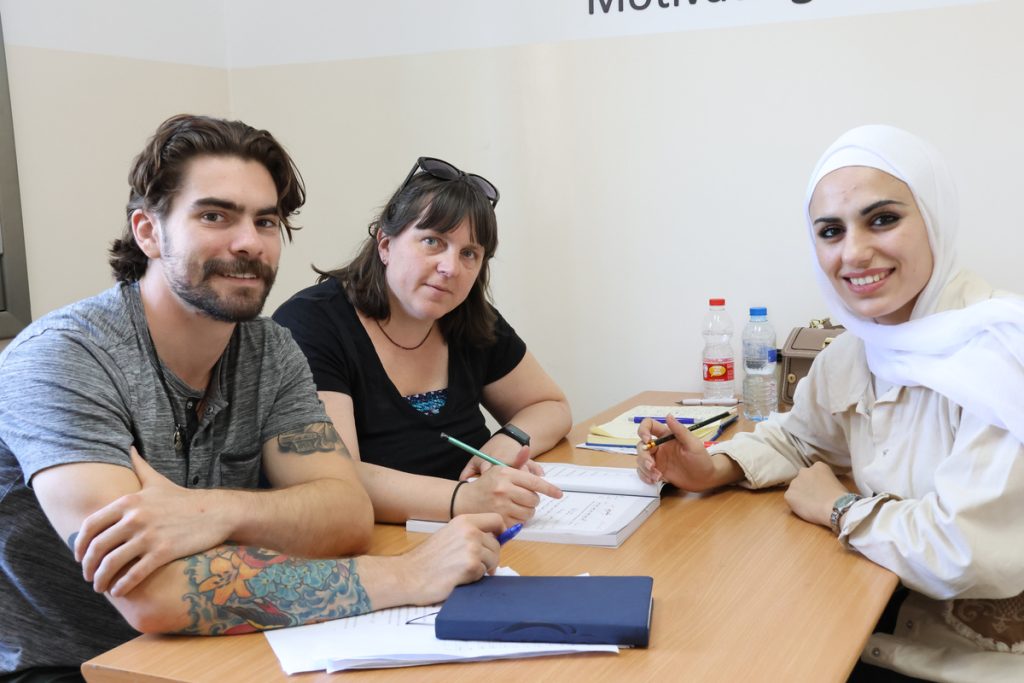
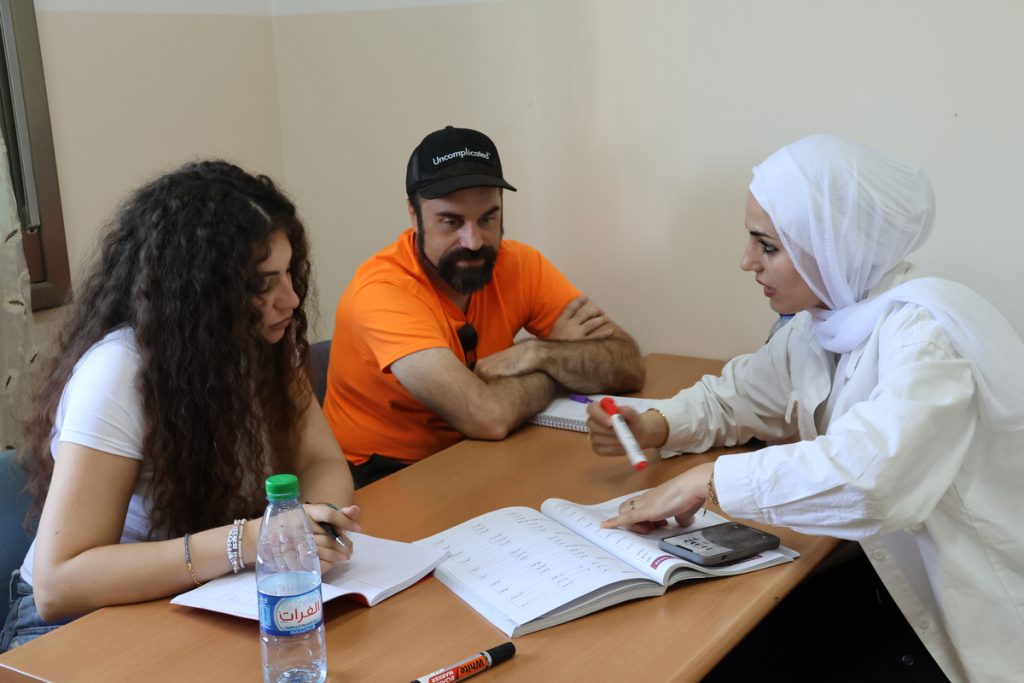
Intensive Arabic Language Program: The intensive courses are our core immersion offer. Students study Palestinian and Levantine colloquial Arabic (Ammiyya) as well as Modern Standard Arabic, with lessons that build speaking, listening, reading and writing skills step by step. Teachers combine structured grammar and vocabulary work with plenty of conversation, so learners develop accuracy and fluency at the same time. Regular reviews and small assessments help students see how much progress they make from week to week. Course materials are chosen to reflect real life in Palestine.
These courses run all year and last from 1 to 13 weeks, with super-intensive, intensive and regular schedules to choose from. They are ideal for students on academic breaks, professionals preparing for work in the region, researchers planning fieldwork and anyone who wants to reach a solid level in a short time. Living in Hebron while studying means every lesson is reinforced by real conversations outside class. Group sizes are kept small so every learner gets enough speaking time.
2. Intensive Summer Arabic Program
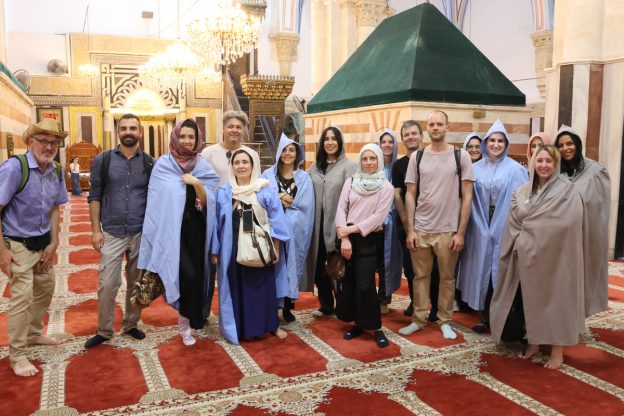
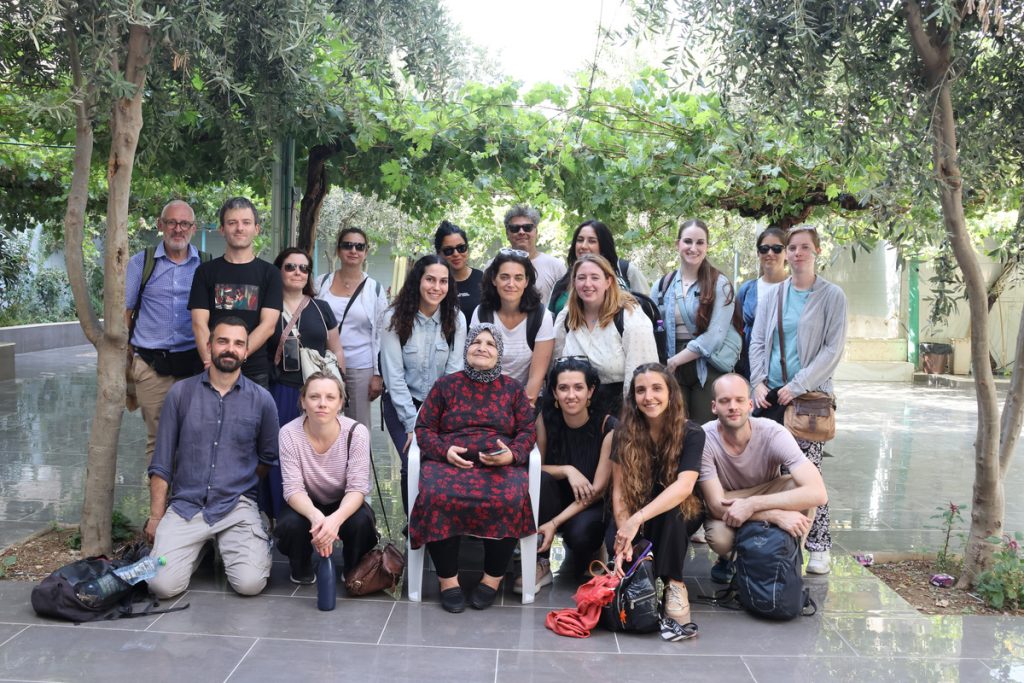
Intensive Summer Arabic Program: The summer program combines language study with cultural and social learning during one of the most popular times of the year for international students. Participants attend Arabic classes and join visits to nearby refugee camps and Palestinian communities, where they learn about the human rights situation of refugees in the West Bank and hear personal stories from residents. These visits give students a chance to use their Arabic in meaningful conversations while learning about an important part of Palestinian history.
Summer brings learners from many countries to Hebron, which creates a lively, international atmosphere both in and out of the classroom. Students practice together, explore the city in the long summer evenings and share their experiences of life in Palestine. The program suits university students who want to use their summer break for fast language progress, as well as anyone looking for a deeper understanding of Palestinian society alongside their studies. Teachers adapt lessons to the summer schedule so students can make the most of both class time and cultural activities.
3. Study Levantine Colloquial Arabic Program
Study Levantine Colloquial Arabic Program: Levantine Arabic, also known as Shami or Ammiya, is spoken across Palestine, Jordan, Syria and Lebanon, which makes it one of the most useful dialects for travelers and professionals. This program focuses on everyday spoken Arabic, so students can hold real conversations as quickly as possible. Lessons cover the expressions people actually use when greeting friends, shopping, ordering food or talking about their families. Students quickly notice how much more they understand on the street after just a few lessons.
Learners can follow an intensive or non-intensive track, depending on their schedule and goals. Along with the language itself, the program introduces the culture and history of the Levant, helping students understand the context behind common expressions and social customs. Because the dialect is understood across the region, the skills students build in Hebron stay useful wherever they travel next. Many learners combine this program with MSA later on to round out their skills.
4. Study Palestinian Colloquial Arabic Program
Study Palestinian Colloquial Arabic Program: This program focuses specifically on the Palestinian dialect as it is spoken in Hebron and across the West Bank. It is a natural choice for learners who plan to live, work or research in Palestine, and for people of Palestinian heritage who want to reconnect with the language of their families. Students learn the pronunciation, vocabulary and expressions that mark Palestinian Arabic as distinct from neighboring dialects. Students also learn how the dialect varies between cities and villages.
Lessons are rooted in local culture, so students learn the language of daily life, food, family, celebrations and community. Teachers bring in songs, sayings and real situations from Palestinian life to make the dialect come alive. For learners in the Palestinian diaspora, the program is a direct way to build confidence when speaking with relatives, and for everyone else it opens a closer connection with the people of Palestine. Living in Hebron while studying makes the dialect part of daily life rather than just a subject.
5. Study Modern Standard Arabic Program
Study Modern Standard Arabic Program: Modern Standard Arabic, also called Fus-ha or Literary Arabic, is the language of newspapers, books, official documents and formal speeches across the Arab world. It is essential for students of Middle Eastern studies, translators, journalists, diplomats and anyone who needs to read and write Arabic with confidence. Learning MSA also gives students a shared foundation that helps them understand many regional dialects. Students who plan to study Arabic at university level often find this program an excellent preparation.
The program offers super-intensive, intensive and non-intensive tracks across six proficiency levels, from beginner to advanced. Lessons cover reading, writing, grammar and formal speaking, using texts that match each student’s level and interests. Students can also combine MSA with a spoken dialect, which gives them both formal skills and the ability to communicate comfortably in everyday situations. Teachers track each student’s progress and adjust the pace as needed, so learners move through the levels with confidence.
6. One-on-One Private Arabic Program
One-on-One Private Arabic Program: Private courses are built entirely around one learner. Students choose their focus, whether Palestinian Arabic, Levantine Arabic (Shami), Ammiyya or MSA, and their teacher designs lessons around their goals, pace and schedule. This flexibility makes private lessons the fastest way to target specific needs, such as preparing for an exam, a job interview or a research project. Students can also change their focus during the course if their needs shift.
Private lessons are available both in person in Hebron and online, so learners can continue with the same teacher after they return home. They suit busy professionals, researchers with specialized vocabulary needs, families and learners who prefer individual attention over group classes. Because the pace is set entirely by the student, private courses also work well for learners who want to move faster or slower than a typical group. Private lessons can also be combined with group classes for a balanced schedule.
7. Study Arabic Online Program
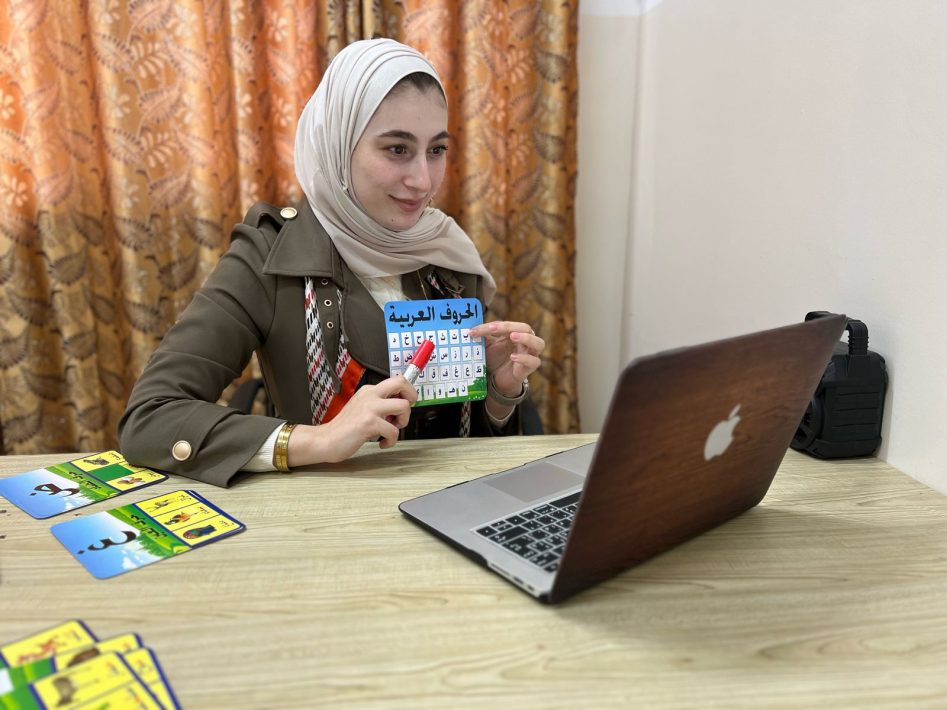
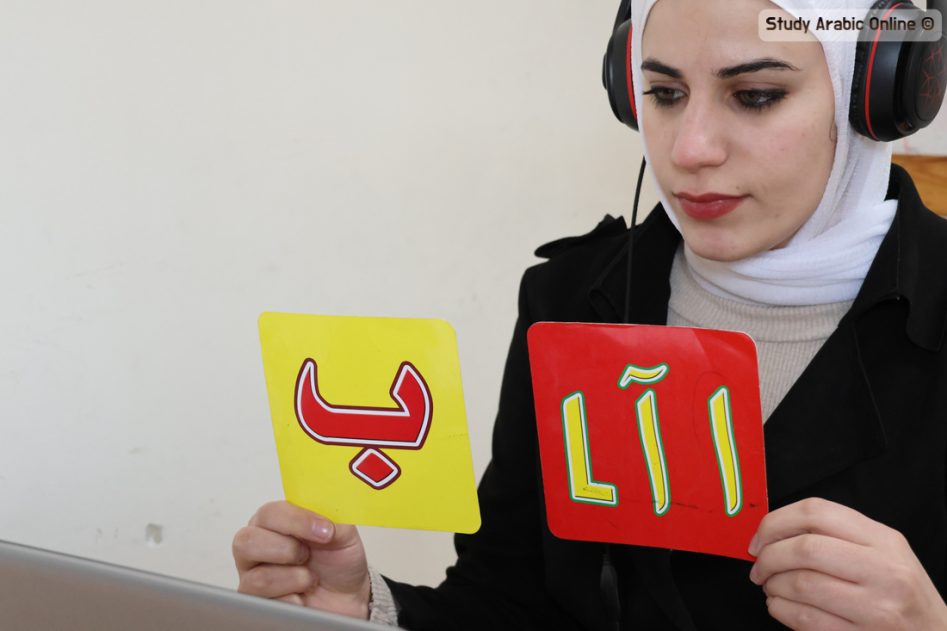
Study Arabic Online Program: For learners who cannot travel yet, the online program brings experienced Palestinian teachers to your screen. Online courses cover Palestinian, Syrian, Jordanian, Lebanese and Egyptian Arabic, as well as Modern Standard Arabic. Lessons are live and interactive, so students get the same personal feedback and conversation practice they would receive in a classroom. Students only need a stable internet connection and a quiet place to study.
Colloquial courses are the best choice for travel and everyday conversation, while MSA suits academic and professional goals. Schedules are flexible, which makes it easy to fit lessons around work or university. Many students begin online to build a foundation and later continue in person in Hebron, where they can put their skills into practice. Online learners can join from anywhere in the world, at times that suit their time zone.
Book Your Free Online Arabic Trial Lesson
Not sure which program or dialect is right for you? Book a free trial lesson with one of our Palestinian teachers. It is a simple way to experience our teaching style, check your level and get advice on the best online Arabic course for your goals. There is no obligation to book afterwards, so it is a relaxed way to get started.
Learning Beyond the Classroom
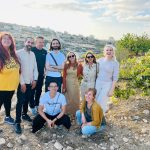
Arabic students in Hebron are encouraged to use their new skills outside of class from the first week. Field visits to families, villages, NGOs and community centers give learners a chance to practice with native speakers while learning about local life and current issues. Each visit adds new vocabulary and gives students a reason to speak. Teachers often prepare students for these visits by introducing useful words and phrases in advance.
Students who want to combine language study with community work can also join one of our volunteer programs in Palestine. Volunteering alongside an Arabic course is one of the most effective ways to turn classroom knowledge into confident speaking, since students use the language with the people they work with every day.
A Typical Week as an Arabic Student
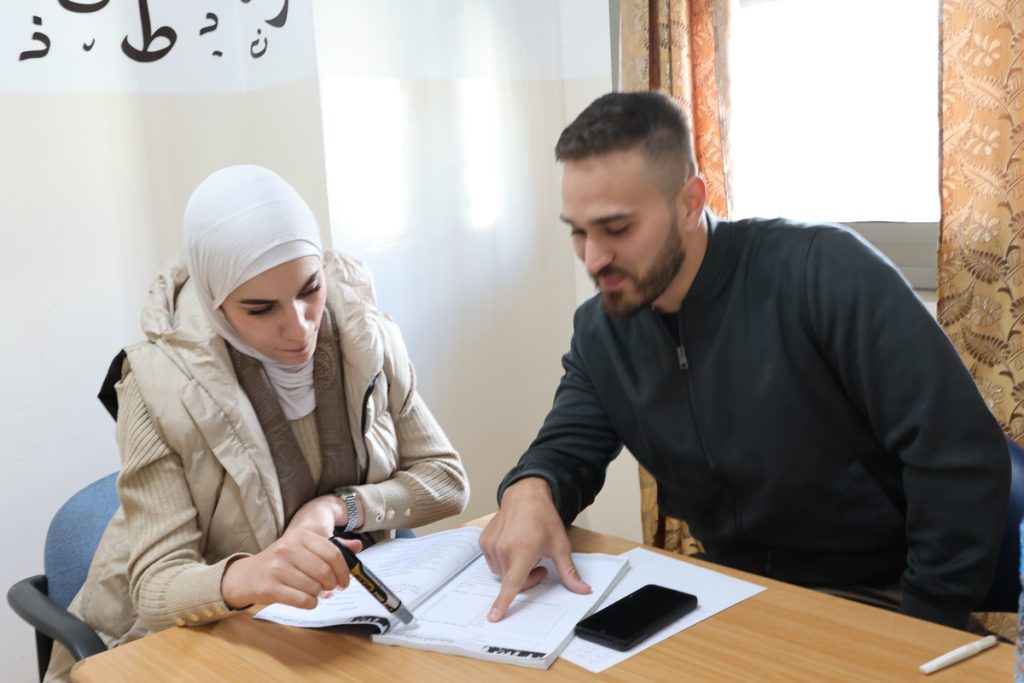
A typical week combines classes with plenty of chances to practice. Lessons usually take place on weekdays, with the number of hours depending on the intensity you choose. Teachers mix grammar, vocabulary and conversation, and they often build lessons around real situations, such as ordering food, asking for directions or chatting with neighbors. Homework is kept practical, often asking students to use a new phrase in a real conversation.
Outside class, students review with classmates, explore the city and join activities organized by the center. Weekends are a good time to travel to other parts of the West Bank, where you can put your new vocabulary to use in different settings and hear how the dialect changes from place to place.
Living in Hebron While You Study
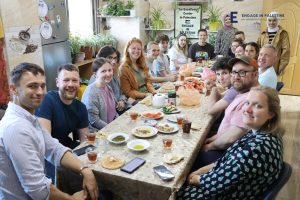
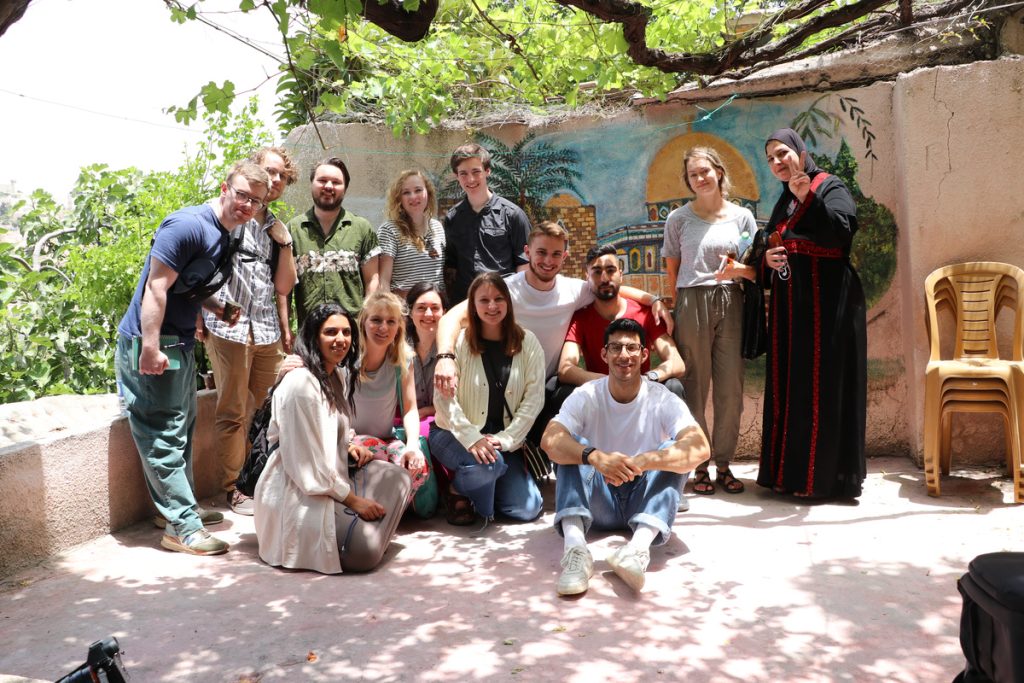
Students stay in modern, secure apartments shared with other Arabic learners, volunteers and interns. Living with people from different countries who are going through the same experience makes it easy to settle in, find study partners and share tips about the city. The apartments are a short walk from the center, so getting to class is easy.
Hebron itself is a historic city with busy markets, traditional workshops and generous local hospitality. Between lessons, students explore the Old City, try local food and take part in cultural activities that bring the language to life. Many students say that everyday moments in the city taught them as much as their lessons did.
How to Enroll for Arabic Programs in Palestine 2027/2028
To enroll, choose your program, dialect and intensity, decide on your start date and length of stay, and send us a short message with your current level of Arabic. If you are not sure about your level, the free trial lesson is a good place to start. Online students can begin as soon as a suitable schedule is agreed with their teacher.
Our team will confirm your course details, answer your questions and help you prepare for your arrival in Hebron or set up your online lessons. If you have fixed dates in mind, especially during the summer, we recommend enrolling early.
Reviews and Awards
Engage in Palestine has been honored with several prestigious Community Awards and recognized as the Best Language School and Top Volunteer and Internship Program Provider for 2019, 2021, 2022, 2023, 2024, and 2025. For more details, please visit our profiles on GoOverseas.com and GoAbroad.com.


- +1000 reviews (96.5%) on gooverseas.com
- +190 reviews (96%) on goabroad.com
- Participants’ video testimonials
- Our Awards
Conclusion
The Arabic programs in Palestine for 2027/2028 offer something for every learner, from intensive immersion and summer study to private lessons and online courses. Students can focus on Levantine Arabic, Palestinian Colloquial Arabic or Modern Standard Arabic, at any level and at the intensity that suits them.
Learning Arabic in Hebron goes far beyond grammar and vocabulary. Every conversation in the market, every visit to a local family and every walk through the Old City adds to what you learn in class. Students leave not only speaking more confidently, but also with a real understanding of the culture and people behind the language.
With flexible dates, stays of 1 to 13 weeks and experienced Palestinian teachers, studying Arabic in Hebron is a practical and rewarding way to make real progress. Whether you want to start with a free trial lesson, join an online course from home or travel to Palestine for full immersion, our team is ready to help. Get in touch through the details below to plan your course.
Contact Us
If you have any questions, please feel free to contact us at:
EC Website: https://excellencenter.org/
Instagram: https://www.instagram.com/excellence.center
Facebook page: https://www.facebook.com/ExcellenceCenter
YouTube page: https://www.youtube.com/@theexcellencecenterinpales4961
Tags: intensive Arabic course West Bank, Learn Palestinian Arabic, Study Arabic in Palestine